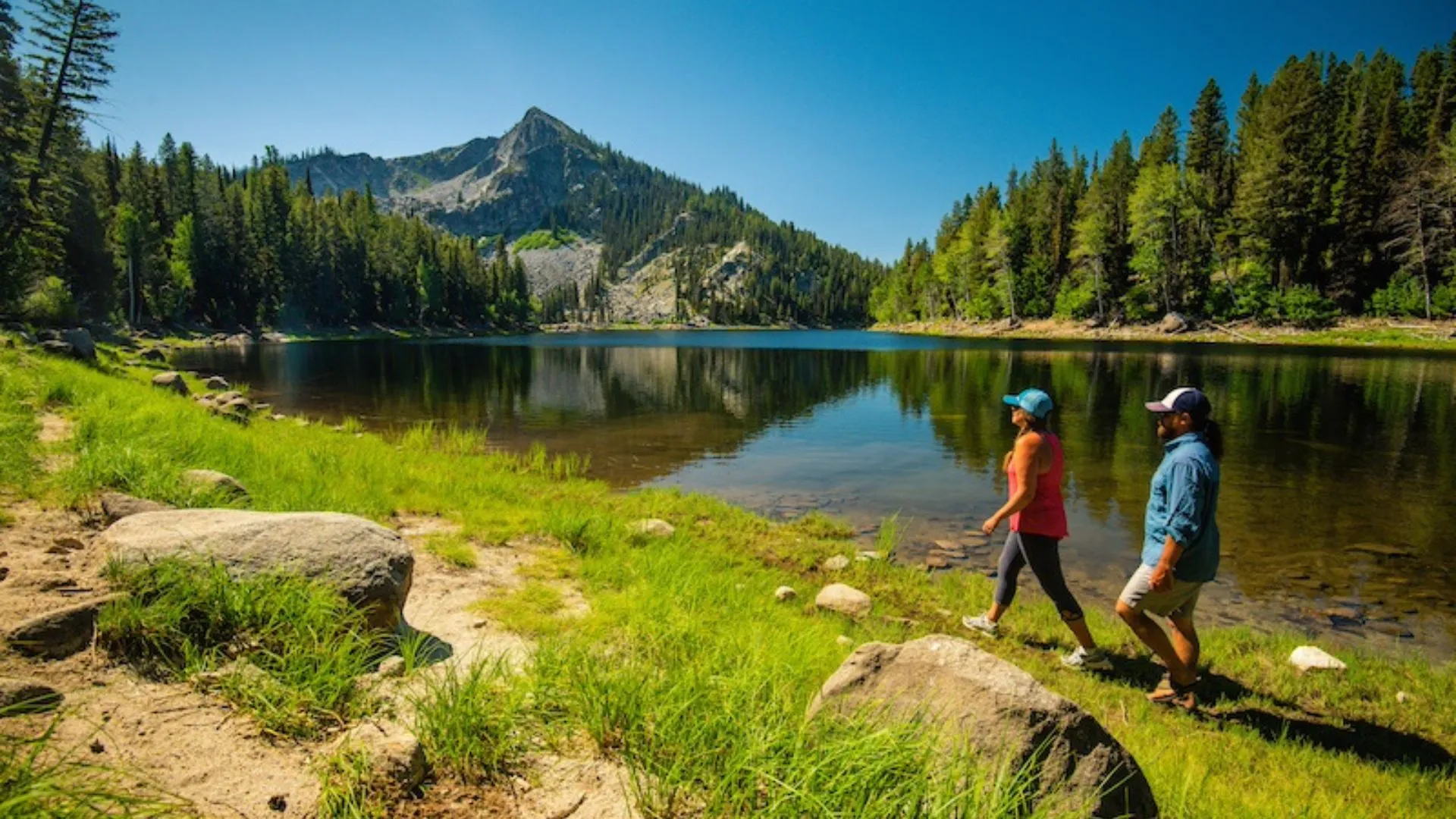
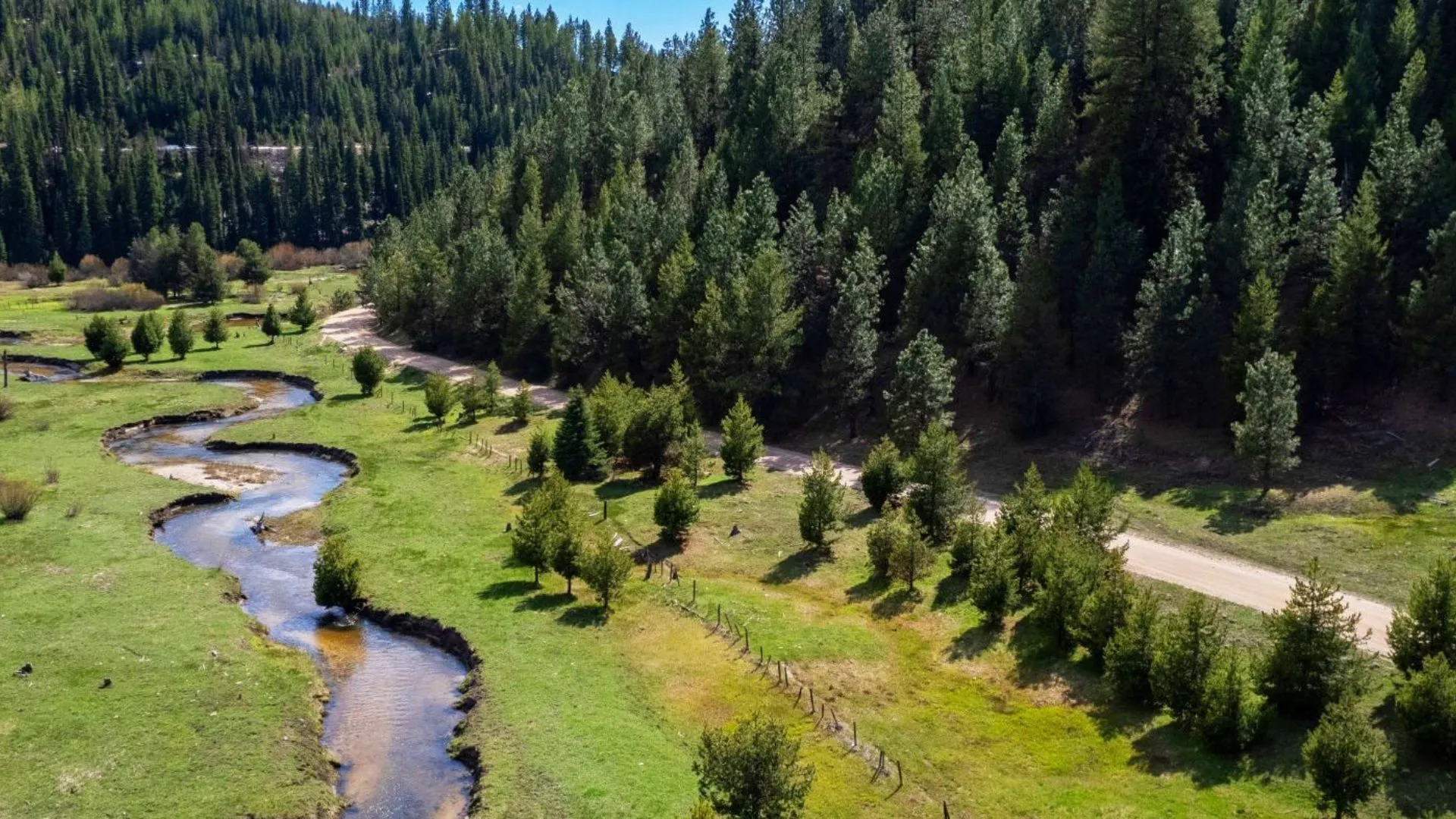
Marketing land for sale in Idaho requires a fundamentally different approach than residential real estate or small rural parcels. Large acreage buyers are not evaluating finishes or short-term upside. They are evaluating ownership responsibility, land performance, and long-term flexibility. Brokers who understand how to communicate those realities clearly are better positioned to attract qualified buyers and support smoother transactions.
Large acreage marketing succeeds when it moves beyond acreage counts and into how land actually functions.
Table of Contents
What Should Brokers Highlight When Marketing Land for Sale in Idaho?
Brokers should focus on land systems, access reliability, and realistic ownership outcomes rather than acreage alone.
Large acreage buyers want clarity. They want to understand how land behaves seasonally, how it can be managed responsibly, and what ownership will require over time. Listings that explain these factors directly attract more qualified interest and reduce friction later in the process.
Who Is Buying Large Acreage Land in Idaho?
Large acreage buyers in Idaho typically fall into three groups: recreational buyers, legacy buyers, and long-term land holders.
Recreational buyers prioritize privacy, access to public lands, and outdoor use. Legacy buyers focus on stewardship, preservation, and multi-generational ownership. Long-term land holders evaluate flexibility and durability rather than immediate use.
Across all three groups, buyers are more informed than in past cycles. They expect brokers to understand the land beyond surface characteristics.
What Ecological Features Increase the Value of Idaho Land?
Ecological quality is one of the strongest indicators of long-term land performance.
Brokers should clearly document and explain:
- Timber composition and maturity
- Water presence, including creeks and seasonal drainage
- Wildlife habitat and movement corridors
- Soil health and vegetative cover
- Topography, elevation, and exposure
In regions near Cascade and McCall, buyers often view conservation alignment as a core value rather than a secondary benefit.
How Buyers Are Evaluating Idaho Land Heading Into 2026
Heading into 2026, buyers are evaluating Idaho land with a stronger emphasis on ownership readiness rather than acquisition speed.
Buyers are asking more detailed questions earlier in the process, particularly around seasonal access, land management responsibilities, and long-term usability. This reflects a shift toward more deliberate ownership decisions and a reduced tolerance for ambiguity.
For brokers, this means that clarity and documentation matter more than urgency-based messaging.
What DF Development Sees Brokers Navigating Most Often
Through ongoing land evaluation and marketing work across Idaho, DF Development consistently sees a few challenges brokers are navigating.
- Buyers expect clear explanations of access, not assumptions.
- Land health and ecological context carry more weight than verbal assurances.
- Listings that frame land as a system generate higher-quality inquiries.
- Stewardship-focused language resonates more than speculative positioning.
These patterns highlight the growing importance of experience-based guidance in large-acreage transactions.
How Can Brokers Help Buyers Understand Future Land Use?
Brokers can support buyers by outlining realistic use paths grounded in land characteristics and regional planning context.
Common considerations include:
- Conservation or open space preservation
- Recreational cabins or limited footprint improvements
- Timber management and forestry planning
- Grazing or agricultural use
- Long-term land holding near established communities
Municipal planning resources, such as the City of McCall, help buyers visualize responsible land use without speculation.
Why Do Access and Location Matter for Idaho Land Sales?
Clear access information and geographic context reduce buyer uncertainty and build confidence.
Strong listings explain:
- Legal access versus physical access
- Seasonal road conditions
- Utility proximity or off-grid feasibility
- Distance to towns, services, and emergency response
For out-of-state buyers, understanding how a property connects to Cascade, McCall, and the surrounding infrastructure is critical. DF Development prioritizes this clarity across its Idaho land offerings.
Why Should Brokers Make the Shift From Agent to Advisor?
For brokers marketing land for sale in Idaho, the role is shifting from listing agent to trusted advisor.
Buyers are comparing properties based on preparedness, transparency, and perceived stewardship. Brokers who adapt their messaging to reflect how land actually functions, not just how it looks on a map, are better positioned to attract serious buyers and support durable transactions.
Selling large acreage in Idaho is not about selling acres. It is about translating land into long-term opportunity with clarity and credibility. That is where experienced land partners make the difference.