Rural fire departments help small communities across Central Idaho function with confidence. Behind each department are career firefighters, reserve members, EMTs, paid-on-call crews, volunteers, and families who make room for the training and responsibility that come with the job. Much of that work happens quietly, but the communities they serve are stronger because people keep taking it on.
DF Development works in many of the same places these departments serve. Our team lives here, manages land here, and works with neighbors who depend on the same local emergency services we do. In 2026, we’re supporting six fire departments and firefighter organizations across Valley, Boise, and Adams counties, and we’re grateful for the people behind each one.
Table of Contents
Why do rural fire departments matter so much in Idaho communities?
Rural fire departments often carry a wider range of responsibilities across a larger geographic area than their name alone suggests. In Central Idaho, local crews may provide structural and wildland fire response, emergency medical care, rescue services, fire prevention, and public education, while also working with neighboring departments when an incident requires more people or equipment.
Cascade Rural Fire Protection District offers a useful example of that scale. Its fire protection district covers about 110 square miles, while the EMS district it serves extends across roughly 1,300 square miles of southern Valley County. That doesn’t tell the whole story of the department, but it does show how much ground rural emergency services can cover.
Local preparation also depends on departments knowing how to work together. Placerville’s volunteer firefighters, for example, routinely train with neighboring departments, including Centerville. That kind of cooperation is part of rural fire service here, where community boundaries don’t always define the limits of a response.
Rural fire service is built by local people
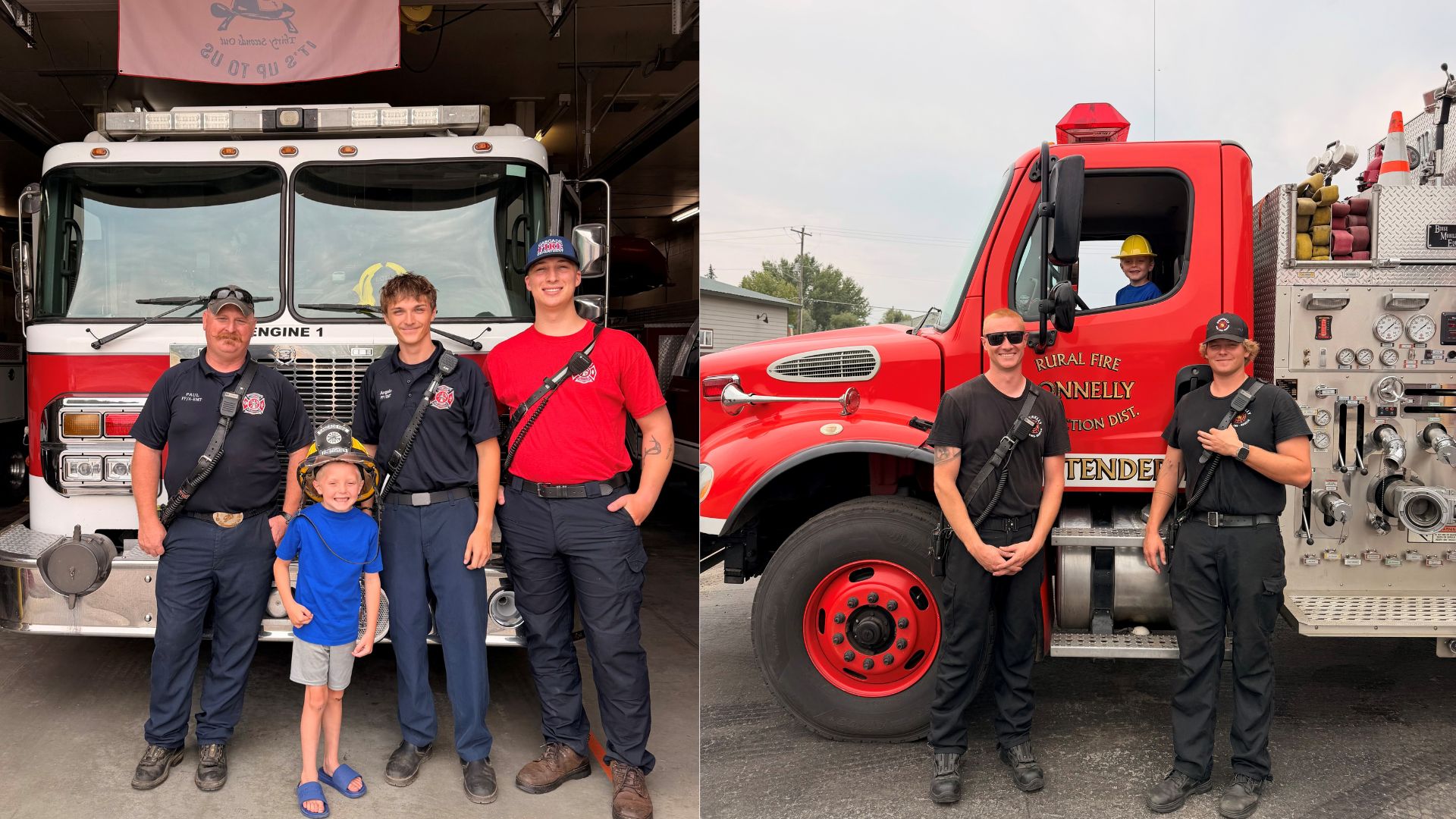
Staffing varies among Idaho fire departments, and the six organizations supported here reflect that. Donnelly combines career and reserve members, McCall uses career and paid-on-call firefighters, and Placerville and Meadows Valley rely heavily on volunteers. Different structures make sense for different communities, but all depend on people willing to train, stay involved, and be available when their neighbors need them.
That service reaches beyond emergency calls, too. Local departments and firefighter organizations spend time on prevention, public education, training, equipment, fundraising, and the day-to-day work required to keep a department ready. Those efforts are easy to overlook precisely because they happen before there’s an emergency.
Six organizations serving Central Idaho
In 2026, DF Development is supporting the following six organizations connected to rural fire service across the region. They represent different communities and different parts of the fire service, but each contributes to the local network people rely on.
- Cascade Rural Fire Protection District: Fire, EMS, and rescue service in southern Valley County.
- Centerville Volunteer Fire Department: Volunteer fire service in Boise County and a training partner to neighboring rural departments.
- Donnelly Rural Fire Protection District: A combination career and reserve department serving the Donnelly area.
- Friends of Placerville Fire: A local nonprofit that helps support the needs of Placerville’s volunteer fire department.
- McCall Professional Firefighters Local 4564: The professional firefighters’ organization connected with McCall Fire Protection District.
- Meadows Valley Rural Fire District: Volunteer fire service for New Meadows and the surrounding Meadows Valley area.
We’re thankful for the firefighters, EMTs, reserve members, volunteers, and support organizations represented by those names. Their service looks different from place to place, but the common thread is local people giving their time and attention to the safety of the communities around them.
Landowners have a role in fire readiness, too
Fire departments prepare for emergencies, but rural landowners can prepare their own properties long before a response is needed. Access, vegetation management, defensible space, and evacuation planning can all affect how a property handles wildfire risk and how safely responders can work around it.
The Idaho Department of Lands wildfire preparedness guidance encourages property owners to plan ahead, reduce fuels around structures, and create defensible space. Those steps help because they give landowners practical work to do before fire season, instead of leaving every part of preparedness to the local department.
That thinking also connects with DF Development’s approach to land stewardship. Our work in Idaho includes forest thinning, prescribed fire, reforestation, watershed restoration, and other land-management practices intended to improve long-term forest health. We’ve also shared more about how those practices come together through sustainable forest management, including the role of thinning, replanting, and prescribed fire.
To all the first responders, thank you
The public usually sees the visible part of fire service: the station, the truck, the crew arriving when help is needed. What’s harder to see are the training hours, equipment checks, meetings, public education, volunteer time, and family schedules that make that response possible.
To the men and women serving Cascade, Centerville, Donnelly, Placerville, McCall, and Meadows Valley, thank you for the work you do for our communities. DF Development is grateful to support that work in 2026, and even more grateful to have dedicated local firefighters, EMTs, volunteers, reserve members, and support organizations serving the places our team and our neighbors call home.